

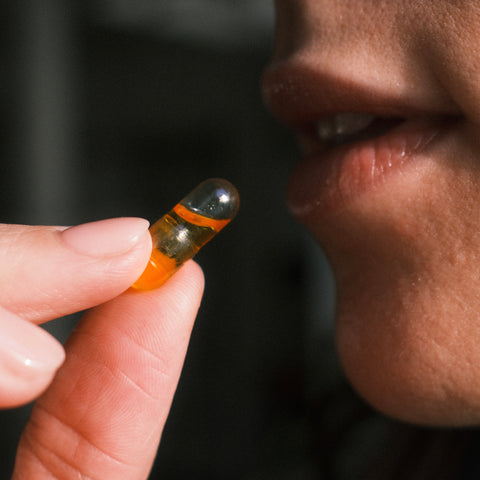


Gut health has become one of the most talked-about topics in wellness, and for good reason. Scientists now call the gut our body’s “second brain,” responsible for far more than digestion. It influences mood, immunity, and even how clearly we think. Yet despite all the attention, confusion still surrounds what it really means to have a healthy gut.
Somewhere between social-media hacks, supplement trends, and diet advice, myths have managed to take center stage. The result? People trying their best to stay healthy are often misled by outdated or oversimplified ideas about digestion and microbiome care.
This article breaks down seven of the most common gut health myths with science-backed facts and simple insights.

Myth #1: “A Healthy Gut Just Means Regular Digestion”
Many people believe that as long as their digestion feels normal, their gut must be healthy. But gut health goes far beyond bowel regularity. It plays a major role in mental health, immune response, and even stress management.
Your gut is home to trillions of microbes that constantly communicate with your brain through what scientists call the gut-brain axis. This two-way connection helps regulate everything from mood and stress response to focus and memory. When your gut bacteria are out of balance, you might not only feel it in your stomach, but also in your energy levels and mental clarity.
That’s why taking care of your gut means caring for your overall well-being. Tribiotic+ supports this connection through its NeuroBiome blend, featuring clinically studied probiotic strains that promote both digestive comfort and cognitive health. It’s one of those digestive health facts that reminds us: gut health truly starts in the mind, too.
Myth #2: “All Probiotics Work the Same Way”
This is one of the most common misconceptions about gut health out there, and it’s easy to see why. With so many probiotic products on the market, it’s tempting to believe they all deliver the same benefits. But in reality, different probiotic strains have different roles. Some are great for easing bloating, while others help regulate stress, boost immunity, or support brain health.
Another important point? Not every supplement discloses its probiotic strains or uses those backed by scientific research. That transparency matters because probiotics and gut health go hand in hand. What you take should actually match what your body needs.
Tribiotic+ stands apart by including clinically studied strains like Lactobacillus helveticus and Bifidobacterium longum, both proven to support digestion and emotional well-being. It’s a targeted approach, not a one-size-fits-all fix.

Myth #3: “You Can Fix Your Gut Overnight”
Gut health doesn’t change overnight. The microbiome is a living ecosystem that takes time to rebuild and stabilize. Quick cleanses and one-time probiotic doses rarely make lasting improvements.
Restoring balance requires healthy gut habits, such as regular fiber intake, a balanced diet, stress management, and consistent probiotic use. When these habits become part of your daily routine, they create an environment where beneficial bacteria can thrive.
If you’re wondering how to improve gut health, start with consistency. The more stable your routine, the stronger and more resilient your microbiome becomes.
Myth #4: “You Have to Poop Every Day to Be Healthy”
Many people assume that a healthy gut means you should be going to the bathroom daily, but that’s not necessarily true. Gut health isn’t defined by a strict schedule. What’s considered “normal” can range from three times a day to three times a week, depending on your diet, hydration, and overall lifestyle. The real sign of a healthy digestive system is consistency and comfort, not a number.
If you’re not experiencing bloating, abdominal pain, or irregular discomfort, your digestion is likely in good shape. Supporting your gut with fiber-rich foods, adequate water intake, and a gut health support supplement like Tribiotic+ can help maintain regularity and keep your microbiome balanced. No need to stress about the clock!

Myth #5: “You Must Avoid All Carbohydrates”
Cutting out carbs completely might seem like the key to better digestion, but your gut would disagree. Not all carbs are created equal. While refined sugars and processed foods can feed harmful bacteria, complex carbohydrates, like those found in whole grains, fruits, and vegetables, are essential fuel for your beneficial gut microbes. These fibers, known as prebiotics, help healthy bacteria grow and thrive, keeping your gut environment strong and diverse.
Eliminating all carbs can actually starve your good bacteria and lead to an imbalance in your microbiome. The best approach is balance: limit added sugars but embrace nutrient-rich, fiber-filled carbs that keep your digestion and energy steady.
Myth #6: “You Need Fiber Supplements to Keep Your Gut Healthy”
Fiber is crucial for digestion, but supplements aren’t always the answer. Whole foods like vegetables, fruits, legumes, and whole grains provide natural fiber along with vitamins, minerals, and antioxidants that powders can’t replace. These real-food sources deliver different types of fiber, both soluble and insoluble, that support smoother digestion and healthier gut bacteria.
Fiber supplements can help when your diet lacks variety or under medical advice, but they shouldn’t be your first line of defense. Think of them as backup, not the foundation. A consistent, fiber-rich diet paired with a daily probiotic like Tribiotic+ helps create the kind of environment where your gut thrives naturally.

Myth #7: “You Need to Do a Gut Cleanse or Detox”
Detox teas and colon cleanses often promise a “fresh start” for your gut, but your body is already a natural detox machine. Your liver, kidneys, and digestive system are designed to process and eliminate toxins on their own. Extreme cleanses can even disrupt your gut bacteria, dehydrate you, and strip away essential nutrients.
Instead of chasing quick fixes, focus on sustainable habits that support your gut every day, like eating fiber-rich meals, managing stress, sleeping well, and staying hydrated. A supplement that reinforces your gut barrier, such as Tribiotic+, can help your body do what it’s built to do: maintain balance and protect you from within.

What Science Really Says About Gut Health
When it comes to gut health, the truth is much simpler and more empowering than most trends make it seem. A healthy gut isn’t about strict diets, daily detoxes, or quick fixes. It’s about consistency, balance, and understanding the deep connection between your mind, diet, and microbiome.
The science is clear: your gut thrives on steady support, not extremes. Eating a variety of whole foods, managing stress, and nourishing your gut bacteria daily can make all the difference. And when you need an extra boost, Tribiotic+ offers a research-backed way to support your digestion, cognition, and overall well-being from within.
Ready to build a truly balanced gut?
Support your microbiome and mind with daily care powered by Tribiotic+.
Frequently Asked Questions:
Is it true that 80% of your immune system is in your gut?
Close! Around 70–80% of your immune system actually lives in your gut. Your intestinal lining and the bacteria that live there help identify and block harmful pathogens before they enter your bloodstream. That’s why maintaining gut balance is essential not just for digestion, but for overall immune resilience.
What is a fun fact about the gut?
Your gut is home to trillions of microbes, outnumbering your body’s own cells by about 10 to 1. These microbes aren’t just along for the ride; they help digest food, regulate mood, and even influence how your brain works through the gut-brain connection.
Which organ is 90% responsible for digestion?
That would be your small intestine. It absorbs most of the nutrients from the food you eat, with help from enzymes produced by your pancreas and bile from your liver. It’s where the real work of digestion happens.
Why is the gut called the second brain?
The gut is often called the “second brain” because it has its own network of neurons, the enteric nervous system, that communicates directly with your brain through the gut-brain axis. This system affects mood, stress, and even cognitive performance, which is why taking care of your gut often means supporting your mind, too.
What is the 7-day gut reset?
The idea of a “7-day gut reset” is popular online, but there’s no quick fix for gut health. What actually works is building healthy gut habits over time like eating fiber-rich foods, getting enough sleep, managing stress, and using a gut health support supplement like Tribiotic+ for long-term balance.
What are the signs of poor digestion?
Common signs include bloating, gas, irregular bowel movements, fatigue, or feeling sluggish after meals. These can indicate an imbalance in your gut microbiome or issues with your digestive process. A steady diet of whole foods and daily gut support can help restore balance.
How is the colon cleaned out?
Your body naturally “cleans” the colon through regular digestion and waste elimination. You don’t need harsh detoxes or colon cleanses; just hydration, fiber, and a balanced microbiome to keep things moving as they should.