

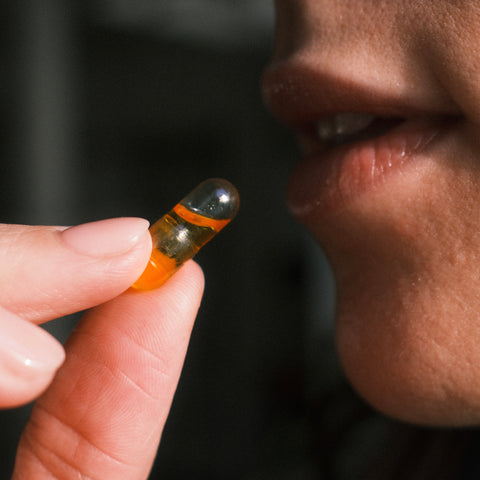


- The most important thing you can do to get more from your omega-3 is to take it with a fat-containing meal, since this improves how much your body absorbs. Check your label for the combined EPA and DHA, not the total fish oil, because that number determines your actual dose. The time of day matters less than taking it consistently, so focus on building a daily habit with food. The form of omega-3 also affects absorption, with triglyceride forms generally absorbing better than ethyl esters, but the steps in this guide will help you get the most from any type.
Most people who buy omega-3 already believe it works. The problem isn’t motivation—it’s not knowing if you’re actually taking it the right way. You might have seen different advice on timing, wondered how many capsules to take, or questioned if food really makes a difference.
This guide clears that up. By the end, you’ll know which form absorbs better, how to pair omega-3 with food, how to read your label for the real dose, and how to build a routine you can stick to daily.

Does the Form of Omega-3 You’re Taking Even Matter? (Yes — Here’s Why)
Most people assume all omega-3 capsules are the same, but they’re not. The form affects how well your body absorbs EPA and DHA, which directly impacts how much benefit you get.
There are three main forms to know.
Triglyceride (TG) and re-esterified triglyceride (rTG) are closest to the natural form found in fish, and they absorb more efficiently. rTG forms can absorb up to 70% better than ethyl ester versions.
Ethyl ester (EE) is the most common and often the cheapest, but it absorbs less efficiently, especially if you take it without food.
Algae-based omega-3 provides DHA and sometimes EPA from a plant source, with absorption comparable to triglyceride forms, making it a solid option if you avoid fish.
Liquid fish oil can also be absorbed slightly better than capsules because it mixes more easily with food, especially when taken with a fat-containing meal. That said, high-quality capsules are still effective when used correctly.
|
Form |
Absorption |
Best For |
|
Triglyceride (TG/rTG) |
High; closer to natural form, generally better absorbed |
Most users seeking better absorption |
|
Ethyl Ester (EE) |
Moderate to lower; depends heavily on taking with fat |
Budget options; works better with proper timing and meals |
|
Algae-based |
Comparable to TG; well absorbed |
Vegans or those avoiding fish |
Check your omega-3 supplement label to see which form you’re using. If it lists ethyl ester, the rest of this guide will still help you improve absorption, but you may want to consider switching forms over time.
Should You Take Omega-3 with Food or on an Empty Stomach?
Omega-3 should be taken with food, specifically a meal that contains fat. This is one of the most important factors for improving absorption.
Omega-3 fatty acids are fat-soluble, which means your body needs dietary fat to process them efficiently. When you eat fat, your digestive system releases bile and enzymes like lipase that help break down and absorb these fats. Without that trigger, your body absorbs far less EPA and DHA from each capsule.
You don’t need a heavy meal, but just make sure fat is present. Simple options include:
-
eggs with avocado toast
-
chicken thighs
-
full-fat yogurt
-
smoothie with nut butter
Even small additions can help your body absorb more from the same dose.
This matters even more if you’re using an ethyl ester (EE) form. On an empty stomach, EE omega-3 can be absorbed up to three times less efficiently compared to when it’s taken with a fat-containing meal.
If your mornings are usually just coffee, that’s common and fixable. Adding a small fat source, like a handful of nuts or half an avocado, can make a meaningful difference without changing your routine too much.
Omega-3 is fat-soluble. Without fat in your stomach, you’re absorbing a fraction of what’s in each capsule.
How to Take Omega-3 for Better Absorption
Here’s everything working together to help your body absorb more from each capsule:
-
Take it with a fat-containing meal. This is the foundation of good absorption. Even a small amount of fat helps your body process EPA and DHA more efficiently.
-
Choose the triglyceride (TG or rTG) form when possible. These forms are closer to how omega-3 appears in whole foods. They absorb more efficiently than ethyl ester, especially over time.
-
Avoid taking it with only high-fiber meals. Fiber is great for health, but very high-fiber meals can slightly reduce fat absorption. This isn’t a major issue, but pairing omega-3 with some fat helps balance it out.
-
Store it in a cool, dark place. Heat, light, and air can cause oxidation, which lowers quality and may increase fishy aftertaste or stomach discomfort. A refrigerator or shaded cabinet works well.
-
Split your dose if you take 2g or more daily. Dividing your intake across two meals can improve absorption and reduce side effects like fishy burps.
-
Avoid very hot drinks when taking capsules. Heat can affect soft-gel integrity. Use room-temperature water and take it with your meal instead.
Getting these right doesn’t require a major lifestyle change. Small, consistent habits around a single capsule can make a noticeable difference over time.
How Many Omega-3 Capsules Per Day?
It depends on the combined EPA and DHA content, not the total fish oil listed on the front label. Most people focus on the wrong number and end up taking less than they think.
A common example is a “1000 mg fish oil” capsule that only provides about 300 mg of EPA and DHA combined. That combined number is what your body uses, and it’s the only number that should guide your dose.
For general wellness, many people aim for around 500–1000 mg of combined EPA and DHA per day. Higher intakes, such as 2000–3000 mg, are often used for more targeted support, but it’s best to speak with a healthcare provider before going that high.
To find your actual dose, check the Supplement Facts panel. Look for EPA and DHA listed separately, then add them together. That total tells you how much omega-3 you’re getting per serving.
For example, if one capsule contains 180 mg EPA and 120 mg DHA, that’s 300 mg combined. To reach 1000 mg per day, you would need about 3 to 4 capsules, ideally split across two meals for better absorption.
Check the label. Add EPA + DHA together. That’s your actual dose.

When Is the Best Time to Take Omega-3 — Morning or Night?
There’s no strong, consistent advantage between morning and night. What matters most is taking it daily with a meal and staying consistent.
Morning can work well if you already eat a fat-containing breakfast and want to build it into your routine. Evening is often easier for many people since dinner tends to be the largest meal and naturally includes more fat.
A study from the Journal of Clinical Biochemistry and Nutrition links omega-3 intake to sleep quality, but the evidence is still developing. If you take higher doses, splitting your intake across two meals can help improve absorption and reduce side effects.
If your mornings are rushed and you often forget, take it at night instead. The best time is the one you’ll stick to without thinking twice.
Taking omega-3 at the same time each day helps maintain more stable levels in your system, which supports long-term consistency.
|
Timing |
Best For |
Absorption Context |
|
Morning |
Habit-stacking with breakfast routines |
Works well if the meal contains fat |
|
Evening |
Larger meals and easier consistency |
Often paired with higher-fat intake |
|
Split Dose |
Higher daily intake (2g+) |
Improves absorption and reduces discomfort |
How to Take Omega-3 Capsules with Water
Take your omega-3 capsules with a full glass of room-temperature water. Avoid hot drinks, since heat can affect the soft-gel structure.
Swallow capsules while sitting or standing upright to reduce the chance of a fishy aftertaste.
For larger capsules, the “pop bottle method” can help. Place the capsule on your tongue, seal your lips around a water bottle opening, then tilt and swallow in one motion.
Capsules should be swallowed whole, not chewed or broken, to avoid releasing the oil too early.
A simple way to stay consistent is to keep water on the table during meals. This turns taking your omega-3 into part of eating, rather than a separate step you might forget.
Daily Omega-3 Routine — What Consistency Actually Looks Like
Omega-3 builds up in your body over time. Your levels of EPA and DHA build over weeks of regular use. Missing a day doesn’t matter much, but skipping most days limits what you get from it.
What matters is fitting it into something you already do every day, like eating a meal. When it’s tied to an existing habit, it’s easier to stay consistent.
Routine A: Morning-first
Eat a breakfast that includes some fat, like eggs or yogurt. Take your capsule mid-meal with water. Keep the bottle on the counter or near your coffee maker so you don’t forget.
Routine B: Dinner-focused
Take your capsule with your evening meal, especially if dinner is your largest meal. Place the bottle near your plate as a visual cue. If you take 2g or more per day, split your dose between meals.
Where you store your supplement can make a difference. If it’s tucked away in a cabinet, it’s easy to forget. Keeping it where you eat creates a simple visual reminder.
In practice, consistency means taking omega-3 about 5 to 6 days per week over several months. That’s when most people begin to notice changes like improved joint comfort, skin health, or mood support.
Your consistency doesn’t need to be perfect. What matters is taking your omega-3 regularly enough that it becomes part of your routine.
You’ve already done the hardest part—buying the supplement. Now it’s about making sure your omega-3 supplement doesn’t just sit in a cabinet.
Common Mistakes When Taking Omega-3 Supplements
These are easy habits to fall into when taking omega-3 supplements. A few small adjustments can help you get more from each dose.
-
Taking omega-3 supplements on an empty stomach. This limits absorption, especially with ethyl ester forms. Taking omega-3 with a meal that contains fat helps your body absorb more EPA and DHA.
-
Focusing on total fish oil instead of EPA + DHA. Many omega-3 supplements highlight total fish oil on the front label. What matters is the combined EPA and DHA listed in the Supplement Facts panel.
-
Skipping days or taking it inconsistently. Omega-3 builds up in your body over time. Skipping multiple days can reduce the benefit you get from your routine.
-
Storing omega-3 supplements in warm or sunny areas. Heat and light can degrade the oil and reduce its quality. This may also increase the chance of fishy aftertaste or stomach discomfort.
-
Taking a large single dose instead of splitting it. Higher amounts of omega-3 supplements taken at once can be harder to tolerate. Splitting your intake across meals can improve absorption and reduce side effects.
-
Expecting fast results from omega-3 supplements. Omega-3 works over weeks and months of consistent use. Stopping too early is a common reason people don’t notice changes.
-
Relying on the front label alone. A label that says “1000 mg fish oil” doesn’t reflect your actual omega-3 intake. Always check the EPA and DHA breakdown in your omega-3 supplement.
Bringing It All Together with a Brand That Checks the Boxes
To get the most from omega-3 supplements, focus on three things: take them with a meal that contains fat, check your label for EPA and DHA (not total fish oil), and stay consistent with your routine.
The form of your omega-3 supplement also affects how well it’s absorbed. Triglyceride-based options are closer to the natural form found in fish, which helps improve how your body uses EPA and DHA.
If you’re still deciding which omega-3 supplement to use, Bioligent’s capsules are formulated in triglyceride form and tested for purity, which aligns with the factors covered in this guide. The goal is to choose a product that supports absorption, provides clear EPA and DHA labeling, and fits easily into your routine.
Now that you know how to take omega-3 supplements the right way, the next step is simply to stay consistent and make it part of your day.