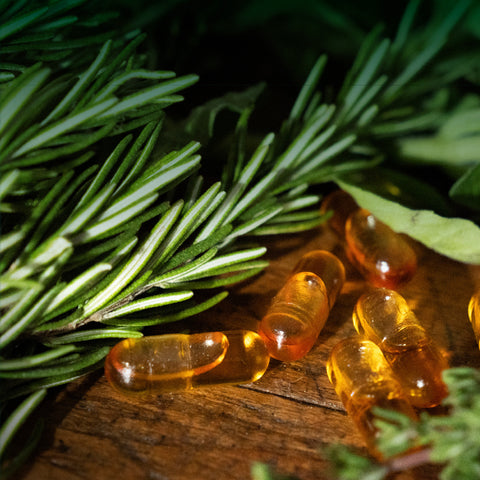

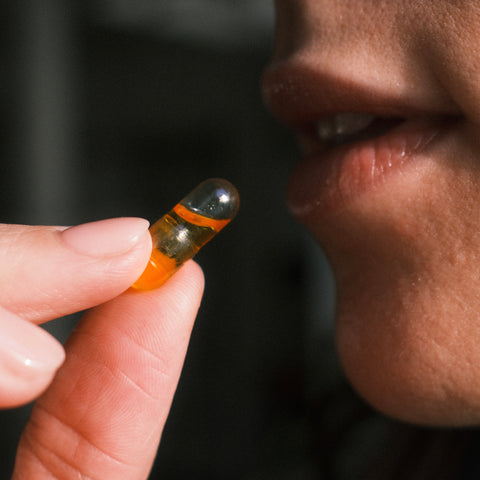


- A high-quality black seed oil supplement clearly states its thymoquinone (TQ) content, the main active compound in Nigella sativa.
-
It uses cold-pressed or carefully controlled extraction methods that help preserve the oil’s natural compounds.
-
Reputable black seed oil products provide third-party testing or a Certificate of Analysis (COA) to verify potency and purity.
-
The formulation protects the black seed oil from oxidation and degradation through stable packaging or encapsulation.
-
The label remains transparent about ingredients and avoids fillers, diluted oils, or vague claims.
Thymoquinone (TQ) content is one of the most important indicators of black seed oil supplement quality. Thymoquinone is the primary bioactive compound found in Nigella sativa, the plant that produces black seed oil, and its concentration strongly influences the oil’s measured potency.
However, many supplements do not disclose their thymoquinone levels, which makes it difficult for consumers to compare products or verify their strength. As a result, many people take black seed oil for daily wellness without a clear way to determine whether the product they purchased is actually high quality.
The supplement market contains wide differences in potency, purity, and formulation, even when products appear similar on the label. Marketing terms such as “cold-pressed,” “organic,” or “pure” can provide useful context, but these labels alone do not confirm potency or formulation quality.
Evaluating black seed oil supplements, therefore, requires looking beyond the front label. Several indicators provide clearer insight into product quality, including:
-
thymoquinone levels
-
extraction methods
-
third-party testing
-
formulation stability
-
ingredient transparency
Ahead, we’ll take a closer look at thymoquinone and why its concentration is one of the most important factors in determining black seed oil supplement quality.

What Is Thymoquinone and Why It Determines Black Seed Oil Quality
Thymoquinone (TQ) is the primary bioactive compound found in Nigella sativa seeds and is widely studied in research on black seed oil’s biological activity. Researchers often measure thymoquinone concentration when evaluating black seed oil because it provides a clearer indicator of potency than the total amount of oil alone.
One nuance many supplement pages fail to explain is that not all black seed oil products disclose their thymoquinone content.
When labels simply list “black seed oil” without specifying TQ levels, it becomes difficult for consumers to compare potency between products. Two supplements may contain the same number of milligrams of oil per serving but deliver very different amounts of thymoquinone, which is the compound most often measured in black seed oil research.
Another factor that complicates comparisons is natural variability in black seed oil. The thymoquinone content of traditional oils can change depending on factors such as:
-
The origin of the Nigella sativa seeds
-
Growing and harvesting conditions
-
How the oil is extracted and processed
Because of this variability, different batches of oil may contain different concentrations of thymoquinone.
Some modern formulations attempt to address this issue by using standardized extracts, which measure and control thymoquinone levels during production. Standardization helps ensure that each serving provides a more consistent amount of the compound.
Even when thymoquinone levels are listed on a label, however, potency claims should still be verified through independent testing. Reliable black seed oil supplements confirm their thymoquinone content through laboratory testing and documented quality analysis.
How Extraction Methods Affect Black Seed Oil Potency
The way black seed oil is extracted from Nigella sativa seeds can significantly influence its potency, stability, and overall quality. Extraction determines how well the oil’s natural compounds are preserved and how consistent the final product remains over time.
Several extraction methods are used in black seed oil supplements, and each one can affect the oil differently.
Cold-pressed extraction
Cold-pressed extraction is one of the most common methods used for traditional black seed oil. This process mechanically presses the seeds to release oil without applying high heat. Avoiding excessive heat helps preserve naturally occurring compounds, including thymoquinone, that may degrade under higher temperatures.
Solvent extraction
Solvent extraction is another method sometimes used in supplement production. In this process, chemical solvents help pull oil from the seeds to increase yield. While this approach can produce larger quantities of oil, the process may alter the oil’s natural composition depending on how it is performed and refined.
Standardized extracts
Some modern supplements use standardized extracts, which involve controlled extraction processes designed to measure and regulate thymoquinone levels. Standardization allows manufacturers to produce supplements with more predictable potency from batch to batch.
Extraction changes the chemical profile of black seed oil, which means the method used can influence several quality factors:
-
Potency, including thymoquinone concentration
-
Stability, which affects how well the oil maintains its chemical profile
-
Shelf life, or how long the product retains its potency during storage
Looking at how the black seed oil was extracted can help consumers better understand the quality of a supplement.

Why Third-Party Testing and COAs Matter
Supplement labels provide useful information, but they do not confirm whether a product actually contains what the label claims. In the supplement industry, potency, purity, and ingredient composition are often verified through laboratory testing.
One of the most common documents used for this purpose is a Certificate of Analysis (COA).
A COA is a laboratory report that provides detailed test results for a specific batch of a supplement. It helps verify the composition, purity, and quality of the product based on measured data.
For black seed oil supplements, a COA may confirm several important factors, including:
-
Thymoquinone levels, which help verify the oil’s potency
-
Heavy metals, such as lead, mercury, cadmium, and arsenic
-
Microbial contamination, including bacteria, yeast, or mold
-
Oxidation levels, which indicate whether the oil has degraded
-
Adulteration, such as dilution with lower-cost vegetable oils
Reputable supplement manufacturers typically provide batch-specific COAs, meaning the report corresponds to the exact production batch used for the product. This allows consumers, retailers, and regulators to verify that the tested product matches what is being sold.
Some brands also rely on independent testing organizations that evaluate supplements using standardized quality criteria. Examples include NSF International, USP (United States Pharmacopeia), and organizations such as ConsumerLab, which conduct testing programs to assess supplement quality and label accuracy.
Together, third-party testing and COA documentation provide an additional layer of transparency that helps consumers verify supplement potency and purity.
Signs a Black Seed Oil Supplement May Be Low Quality
Not all black seed oil supplements are formulated to the same standards. Some products may have similar-looking labels but differ significantly in potency, purity, or formulation quality.
Recognizing a few common warning signs can help consumers avoid products that may be diluted, poorly processed, or inconsistently formulated. Here are several indicators that may suggest a black seed oil supplement is lower quality:
Unusually cheap price
Extremely low prices can sometimes indicate diluted oil, lower-potency extracts, or blends mixed with cheaper vegetable oils. Producing high-quality black seed oil requires careful sourcing, controlled extraction, and laboratory testing, which typically increases manufacturing costs.
No thymoquinone disclosure
Products that list only “black seed oil” without mentioning TQ levels make it difficult to evaluate potency. Since thymoquinone is the compound most commonly measured in research on Nigella sativa, the absence of this information limits meaningful comparison between supplements.
Vague ingredient labels
Unclear labeling can make it difficult to determine what a product actually contains. Examples may include:
-
Proprietary blends that hide ingredient quantities
-
Labels that use terms like “black seed complex” without explaining the formulation
Transparent labels should clearly list ingredients and provide enough information for consumers to understand the composition of the supplement.
Poor packaging
Packaging can influence the stability of black seed oil. Clear plastic bottles allow light exposure, which may accelerate oxidation and degrade sensitive compounds. Dark glass containers or encapsulated formulations typically offer better protection from light and air.
Weak smell or taste
Authentic black seed oil is known for its distinct, peppery aroma and slightly bitter taste. While flavor intensity can vary depending on seed origin and extraction methods, an unusually mild smell or taste may indicate dilution or lower concentrations of active compounds.
Why Formulation Stability Is Often Overlooked
Black seed oil is chemically sensitive, which means its composition can change if the oil is not properly protected during storage and formulation. Exposure to certain environmental conditions can gradually degrade important compounds found in Nigella sativa oil, including thymoquinone.
Several factors can accelerate this degradation:
-
Light exposure, which can trigger oxidation reactions in oils
-
Oxygen, which contributes to the breakdown of sensitive compounds
-
Heat, which may alter the oil’s chemical composition over time
When black seed oil degrades, the change can affect both product quality and user experience. Oxidation and instability may lead to:
-
Reduced potency, including lower thymoquinone concentration
-
Unpleasant taste or smell, often associated with degraded oils
-
Inconsistent results, particularly if compound levels vary between batches or over time
High-quality supplements address these stability challenges through protective formulation and packaging strategies. Common approaches include:
-
Using dark glass bottles to reduce light exposure
-
Encapsulation to protect the oil from air and environmental conditions
-
Stabilized extracts to help maintain more consistent compound levels
Capsule formulations are often used to improve both stability and usability. Encapsulation can protect sensitive compounds while also helping control serving size and dosing accuracy.
Some modern supplements also use standardized extracts designed to provide measured amounts of key compounds.
For example, Bioligent uses ThymoQuin® for its black seed oil capsules, a standardized extract of Nigella sativa developed to deliver consistent thymoquinone content in each serving. Because the extract is standardized, the formulation can provide:
-
Precise dosing with measured thymoquinone levels
-
Improved tolerability without the strong taste associated with raw oil
-
Consistent potency supported by controlled extraction and formulation processes

How to Compare Black Seed Oil Supplements Before Buying
Black seed oil supplements can vary widely in potency, formulation, and quality control. Looking at a few specific indicators can make it easier to compare products and identify supplements that provide verified potency and transparent labeling.
When evaluating a black seed oil supplement, consider the following checklist:
-
Thymoquinone percentage listed: The label should disclose the amount or percentage of thymoquinone, the primary compound studied in Nigella sativa. Without this information, it is difficult to determine the supplement’s potency.
-
Cold-pressed or standardized extraction method: Reputable products typically explain how the oil or extract is produced. Cold-pressed oils aim to preserve natural compounds, while standardized extracts may provide more consistent thymoquinone levels.
-
Third-party laboratory testing: Independent testing helps confirm that the supplement contains what the label claims and has been screened for contaminants.
-
Certificate of Analysis (COA) availability: A COA provides laboratory results for a specific production batch and can verify potency, purity, and safety testing.
-
Protective packaging: Packaging such as dark glass bottles or encapsulated formulations helps protect black seed oil from light, oxygen, and environmental degradation.
-
Transparent ingredient labeling: Clear labels should list all ingredients and avoid vague terms like proprietary blends or undefined “black seed complexes.”
-
Reputable manufacturer: Companies that prioritize quality control, ingredient transparency, and documented testing procedures typically provide more reliable supplement formulations.
Using these factors as a checklist can help you evaluate black seed oil supplements more confidently and reduce the risk of purchasing products with unclear potency or inconsistent formulation.
Frequently Asked Questions
What percentage of thymoquinone should black seed oil have?
Many black seed oil supplements contain approximately 1–3% thymoquinone (TQ), though the exact amount can vary depending on seed source and extraction methods. Some standardized extracts are formulated to provide consistent thymoquinone levels so that each serving delivers a measured amount of the compound.
Does black seed oil have to be cold-pressed?
Cold pressing is a common extraction method because it helps preserve naturally occurring compounds in Nigella sativa oil by avoiding high heat. However, some supplements use controlled extraction and standardization processes to achieve consistent thymoquinone levels while maintaining product stability.
Why do some black seed oils taste stronger than others?
The flavor of black seed oil can vary depending on the origin of the seeds, extraction method, and compound concentration. Oils with higher thymoquinone levels often have a stronger, more peppery taste, while milder oils may contain lower concentrations or may be diluted.
Are capsules better than liquid black seed oil?
Capsules and liquid oil each have advantages. Capsules can improve dosing accuracy, stability, and tolerability, particularly for people who dislike the strong flavor of raw oil. Liquid oil allows for more flexible intake and may be preferred by people who want to adjust their serving size.
Choosing a High-Quality Black Seed Oil Supplement
Not all black seed oil supplements are formulated the same way. Differences in extraction, testing, and formulation can lead to significant variations in potency and product stability.
Several factors can help you evaluate supplement quality. These include:
-
The thymoquinone (TQ) content
-
The extraction method used to produce the oil or extract
-
The presence of third-party testing and Certificates of Analysis (COAs)
-
The formulation strategies used to protect the oil from oxidation and degradation
Looking at these indicators together can help you make a more informed decision when comparing products. Supplements that clearly disclose thymoquinone levels, explain how the oil is extracted, and provide documented laboratory testing offer greater transparency about their composition and potency.
It is also helpful to remember that black seed oil formulations vary widely across the supplement market.
Some products rely on traditional oils with naturally variable compound levels, while others use standardized extracts designed to deliver consistent thymoquinone concentrations, which can make it easier to maintain a predictable daily routine.
If you prefer a black seed oil supplement formulated with measured thymoquinone levels and improved tolerability, you can explore Bioligent’s black seed oil capsules, which use the standardized Nigella sativa extract ThymoQuin® to provide controlled potency in each serving.