



-
The most reliable natural ways to reduce stress are the daily ones: movement, consistent meals with protein, protected sleep, morning sunlight, and healthy boundaries around your time.
-
Five warning signs your stress load may be overloading your system include feeling wired but exhausted, brain fog, mood swings, sugar, salt, or caffeine cravings, and physical tension that won't go away.
-
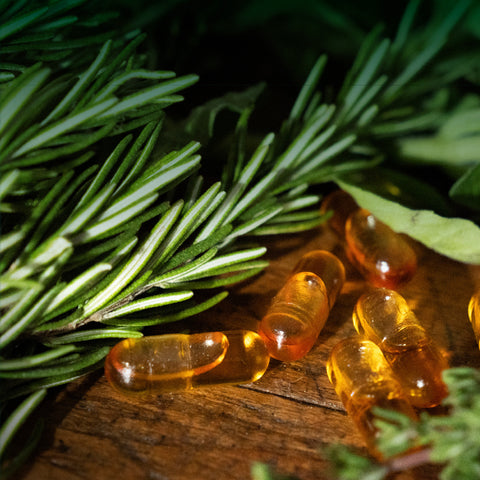
To lower cortisol naturally, start with the lifestyle basics, then consider targeted stress relief supplements that include magnesium bisglycinate and clinically studied adaptogens such as rhodiola rosea, passion flower, and holy basil.
-
Bioligent's Adrenal Adapt is built around those standards, with disclosed doses, thoughtfully selected ingredient forms, and a published Certificate of Analysis (COA). No proprietary blends. No guesswork.
If it feels like stress has been showing up more than it should lately, you’re definitely not imagining it. Between never-ending to-do lists, work pressure, and everything life throws your way, chronic stress has a way of creeping in and sticking around. But just because it’s common doesn’t mean it should be ignored.
So, how do you handle stress when it won’t let up?
Let’s skip the complicated advice and focus on natural stress relief strategies that feel doable, even when you're running on empty.

5 Warning Signs of Stress You Shouldn't Ignore
Stress doesn’t always show up as anxiety or panic — often it whispers before it shouts. Here are five signs your stress load is overloading your system.
-
Wired but exhausted: You feel tired all day but can’t fall asleep at night. This is a classic sign of a dysregulated cortisol curve.
-
Brain fog and forgetfulness: You have trouble focusing, lose your train of thought, or walk into a room and forget why you went there.
-
Mood swings or a short fuse: You snap at people you love, cry more easily, or feel emotionally flat.
-
Sugar, salt, or caffeine cravings: Mid-afternoon cravings can be your body's attempt to compensate for a prolonged stress response.
-
Physical tension you can’t shake: Jaw clenching, tight shoulders, tension headaches, stomach issues, or a racing heart can all be signs that stress is taking a toll.
If three or more sound familiar, your nervous system is asking for help, not more willpower.
How to Deal With Stress Naturally
Move, Breathe, and Unplug (Even for Five Minutes)
You’ve heard this before, but hear it again with compassion: your body needs movement to release tension. That doesn’t mean intense workouts. A walk around the block, stretching on the floor, or dancing in the kitchen for a song or two can help reset your nervous system.
Breathing deeply (yes, intentionally) can also work wonders. Try box breathing: inhale for 4 seconds, hold for 4, exhale for 4, hold for 4. Repeat it a few times and notice your shoulders drop.
And about the doomscrolling? If possible, take a break from your phone, especially before bed. It’s one of the simplest stress management tips on the list, and one of the most underused.
Say No More Often (Seriously)
You’re allowed to protect your time and energy. If your schedule is overloaded, your stress isn’t going to magically disappear. Even if it feels awkward, saying “no” is one of the most natural ways to reduce stress, and it’s completely free!
Here’s a simple tip: don’t answer right away. Practice saying, “Let me get back to you.” It gives you space to decide if the request fits your bandwidth. Boundaries don’t make you selfish; they make you sustainable.

Don’t Skip Meals (Even If You’re Not Hungry)
When you're stressed, your appetite can do weird things. Some people forget to eat. Others crave sugar and carbs all day. Either way, erratic eating makes your cortisol and energy levels harder to manage.
Instead of thinking in terms of “perfect meals,” focus on consistency. Eating something every 3–4 hours, especially with protein and healthy fat, can help regulate blood sugar, reduce mood swings, and keep your brain working when stress tries to hijack it. These small nutritional tweaks offer powerful natural stress support, and they’re the first place to look if you’re dealing with stress and low energy that won’t quit.
Get Serious About Sleep (But Be Gentle About It)
When life is chaotic, sleep is usually the first thing to go, but also the thing your body needs most to recover from stress. It’s not just about clocking in 8 hours; it’s about helping your body settle down enough to rest deeply.
To improve sleep naturally:
-
Dim the lights an hour before bed.
-
Avoid doomscrolling (yes, again).
-
Keep your room cool and quiet.
-
Give your body something calming, like herbal tea, a warm bath, or stress relief supplements.
This is where something like Adrenal Adapt can make a difference. Magnesium bisglycinate is one of the more bioavailable options, which is why we use it. It contains magnesium bisglycinate, passion flower, and lemon balm, natural ingredients that help your muscles relax and your mind wind down. It also helps lower cortisol levels, which are one of the biggest culprits behind restless sleep.

Pay Attention to Burnout, Not Just Busy-ness
Stress doesn’t always show up as panic or anxiety. Sometimes it looks like brain fog, irritability, emotional numbness, or the kind of stress and fatigue that doesn’t go away with rest. That’s mental burnout, and it’s different from being busy.
If that sounds familiar, your body might be struggling to keep up. Chronic stress can place ongoing strain on your adrenal glands, the part of your system that controls energy, mood, and resilience. This is where adrenal support supplements and broader adrenal health support strategies are worth a serious look.
Rest and good food help, but your body may also benefit from extra support, especially when stress has been weighing you down for a while. Adrenal Adapt combines rhodiola rosea, holy basil, and eleutherococcus (three powerful adaptogens for stress) to help restore balance and regulate cortisol. It also includes pantothenic acid, a key nutrient in energy metabolism. Think of it as a reliable option when you’re looking for the best supplement for stress and energy.
Let Go of the “Fix-It” Mentality
You don’t have to fix everything today. You don’t have to be 100% calm, productive, or positive. In fact, trying to force yourself into “stress relief mode” can sometimes backfire.
What actually helps: slowing down, checking in with yourself, and asking what you need right now. Maybe it’s a nap. Maybe it’s a laugh. Maybe it’s a boundary, a walk, or a supplement that helps your body cope better.
Give yourself permission to take the small wins. Natural stress support isn’t all-or-nothing; it’s a practice.
Supplements Often Used for Stress Support
If lifestyle changes are the foundation, supplements for energy and stress are a way to give your body extra resources when chronic stress has drained the tank. Here are the categories worth understanding, and what to look for on the label.
-
Magnesium for stress: Magnesium is one of the most-studied minerals for relaxation, sleep, and muscle tension. Form matters. Magnesium bisglycinate and well-formulated magnesium glycinate products are often chosen because they are gentle on the stomach and generally well absorbed.
-
Adaptogens for stress: Adaptogens are a category of herbs that help your body adapt to stress rather than override it. Rhodiola rosea is often used to support energy and mental performance during periods of fatigue. Holy basil, also known as tulsi, is commonly used to support mood and metabolic balance during stress. Eleutherococcus, sometimes called Siberian ginseng, has a long history of use for endurance and resilience.
-
L-theanine: L-theanine is an amino acid found naturally in green tea. It promotes calm focus without causing sedation and is often paired with caffeine to help take the edge off.
-
B vitamins, especially pantothenic acid (B5): B vitamins are critical for adrenal function and energy metabolism. Stress depletes them faster than many people realize, which is why they appear in many natural energy support formulas.
-
Calming herbs: Passion flower, lemon balm, and chamomile are commonly used in supplements for sleep and stress. They are often included in evening formulas designed to support relaxation and help the body wind down before bed.
When you compare cortisol support supplements, two things matter more than marketing: bioavailable forms and clinically relevant doses disclosed on the label. If a label hides amounts inside a proprietary blend, you can’t actually tell what you’re getting. The best stress relief supplements show their work.
Our Adrenal Adapt formula combines several of the above — magnesium bisglycinate, rhodiola, holy basil, eleuthero, pantothenic acid, passionflower, and lemon balm — at disclosed doses, with a published Certificate of Analysis. That’s the part we think matters: not “trust us,” but “here’s the proof.”
What’s the Best Natural Remedy for Stress?
Honest answer: There isn’t a single one.
The best natural remedy for stress depends on the version of stress you’re dealing with.
-
If you can’t sleep: Start with magnesium bisglycinate plus calming herbs like passionflower and lemon balm.
-
If you’re wired and exhausted: Adaptogens such as rhodiola rosea and holy basil may help support a healthy stress response and cortisol regulation.
-
If you’re burning out: B vitamins plus adaptogens are often used to support adrenal recovery and energy metabolism.
-
If your mornings are chaotic: Start with lifestyle changes first. Morning sunlight, water before coffee, and a slower start can make a meaningful difference before adding any supplement.
The best natural remedy for stress is the one matched to what’s actually happening in your body. That’s why we built Adrenal Adapt to bundle the most useful ingredients for natural cortisol support into one transparent formula, so you don’t have to stack five bottles to cover one problem.
When Stress Sticks Around, So Should Your Support
There’s no magic switch for turning stress off, but there are ways to make it quieter. Maybe that means moving a little more. Maybe it’s putting your phone down, saying no, or finally getting a full night of sleep.
And when life keeps pressing in, consistent support matters. The supplement industry asks for your faith. We’d rather you scrutinize the label, look up our COAs, and decide. At $30–$55 for our targeted formulas, versus AG1’s $79/month for a single all-in-one, we think proof, traceability, and choosing what your body actually needs is a better deal than a green powder with a marketing budget.
Adrenal Adapt offers gentle support, helping your body manage cortisol, regain energy, and ease into real rest. It won’t solve everything, but it can help you feel steady again.