



-
Weird-tasting or herbal-smelling burps after taking black seed oil are usually caused by temporary digestive gas changes, and not because the oil is toxic or harmful.
-
For most people, the black seed oil aftertaste comes from how this concentrated oil moves through the digestive system and interacts with bile, enzymes, and natural flavors during digestion.
-
This article breaks down why the burps happen, what different reactions may signal, and how long they typically last as your body adjusts.
-
You’ll also learn practical ways to reduce the taste and make black seed oil easier to tolerate through simple timing, dosage, and format adjustments.
Black seed oil, derived from Nigella sativa, is a highly concentrated oil, which means your digestive system has to work a little harder to process it. Once you take it, bile and digestive enzymes begin breaking down the fats so your body can absorb them.
During that process, small amounts of the oil’s natural flavor compounds can rise back up through the esophagus, which is why some people notice burps that taste herbal, slightly bitter, or a bit pungent. Even though the flavor can taste strange, it doesn’t mean the oil is spoiling inside your body or creating anything harmful.
What you’re tasting is usually the interaction between the oil’s natural compounds and normal digestion, not a sign that something is wrong. Because black seed oil has a strong profile, its taste may simply linger longer than you expect.
Here, you’ll learn what these burps can tell you about your digestion, how to interpret different reactions, and what adjustments can help reduce or prevent them so the experience feels easier to manage.

What Do These Burps Mean?
Everyone’s experience with black seed oil can feel a little different. Find the closest match to what you notice, then use it to decide what to try next.
|
What You Notice |
Likely Cause |
What It Means |
What To Do |
|
Mild herbal or bitter burps |
Normal digestion response |
Body adjusting |
Continue, monitor |
|
Strong taste |
Too much at once |
Digestive overload |
Reduce dose |
|
Burps on empty stomach |
Fast absorption/reflux |
Oil not buffered by food |
Take with meals |
|
Persistent unpleasant taste |
Low tolerance or oil quality |
Poor digestive fit |
Adjust or switch |
Most people fall into the first three categories, which are usually simple to fix with small adjustments. If the taste stays strong or doesn’t improve, it may be time to adjust how you take it or consider a different option.
The Overlooked Factor: Oil Quality and Stability
Not all black seed oils behave the same once you take them. Two people can use the same amount and still have very different experiences, often because of how the oil was handled before it reached them.
Like most plant oils, black seed oil is sensitive to heat, light, and air. When it’s exposed to these too much, the flavor can taste sharper, and the aftertaste may linger longer than expected. Some oils may also feel heavier during digestion, which can make burps more noticeable.
If you’ve noticed a stronger or harsher taste, it doesn’t always mean your body is reacting poorly. In some cases, the difference comes down to oil quality and stability rather than your tolerance.
Why Capsules May Feel Easier to Tolerate Than Liquid Oil
As mentioned earlier, taste and burps often depend on how your body interacts with the black seed oil during digestion. Liquid black seed oil comes with a strong natural flavor, so when digestion brings small amounts back up, the herbal or bitter taste is easier to notice.
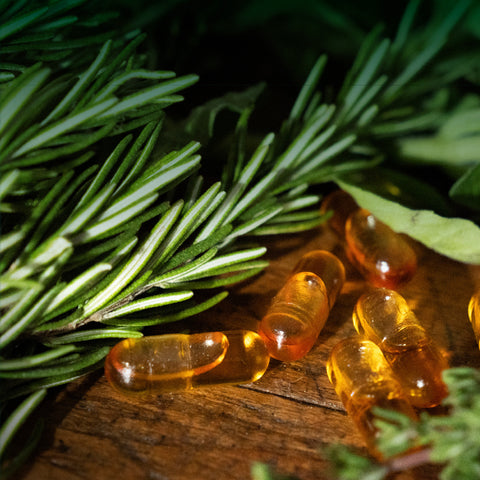
Capsules work a little differently. Because the oil is enclosed, you don’t get the same direct taste, which can make after-burps feel less intense. They also make it easier to control how much you’re taking at once.
The way the black seed oil is produced also changes how it feels in the body. Cold-pressed oils tend to keep more of their natural compounds, which can mean a stronger taste. Heat-extracted oils may seem milder, but their quality can vary depending on how they were processed.
Black seed oils that are protected from heat, light, and air tend to:
-
taste less harsh
-
feel lighter during digestion
-
produce fewer lingering burps
Capsule formats or controlled formulations, like Bioligent’s, can offer a more consistent and easier experience for people who are sensitive to strong flavors.
One reason is thymoquinone, the main active compound in black seed oil. When its concentration is standardized, such as the 3% level used in Bioligent capsules, each dose stays more consistent, which may help reduce variability in how your body responds from one serving to the next.

How Long Burping Usually Lasts
One of the easiest ways to tell whether the weird-tasting burps are normal is to look at how long they last. Duration often says more than the taste itself. A short adjustment period is common when you first introduce a concentrated black seed oil like Nigella sativa into your routine.
-
First few uses: Mild herbal or bitter burps can show up early on. This is usually expected while your digestive system adjusts to breaking down the oil with bile and enzymes.
-
Within a few days: For many people, the aftertaste becomes less noticeable as the body gets used to the oil. Burps may still happen, but they often feel lighter or less frequent.
-
Beyond 1–2 weeks: If the strong taste hasn’t improved, it may point to a mismatch, such as taking too much at once, using it on an empty stomach, or choosing a black seed oil that feels heavier for your digestion.
As a general rule, gradual improvement is a good sign that your body is adapting to black seed oil. If nothing changes, small adjustments to dosage, timing, or format usually help resolve the issue quickly.
Five Ways to Reduce or Stop the Burps
Most after-burps come from the strong flavor of black seed oil and how your body digests it. Small changes in how you take it can make the experience feel smoother and easier to handle. Here are five ways to help reduce the taste and make black seed oil easier to tolerate.
1. Take It With Meals
Taking black seed oil alongside food helps buffer the flavor and slows digestion slightly. This often makes after-burps less noticeable compared to taking it on an empty stomach.
2. Choose a More Controlled Format
Capsules limit direct taste exposure and can feel easier to tolerate than liquid oil. They also help you keep dosing consistent, which is useful if strong flavors trigger burps for you.
3. Look for Standardized Formulations
Not all black seed oils contain the same levels of active compounds, which can make reactions feel inconsistent from one serving to the next. Standardized formulations where key compounds like thymoquinone are measured to a specific level, help create a more predictable experience. Some capsule-based options, including Bioligent’s standardized black seed oil, focus on keeping each dose consistent, which may feel easier to tolerate for people sensitive to strong aftertaste.
4. Prioritize Stability
Black seed oil is sensitive to heat, light, and air. When an oil isn’t well protected, the taste may feel harsher and linger longer during burps. Ideally, opt for black seed oil products that come in capsules or well-sealed, dark containers, and store them away from heat and sunlight at home. Oils that are protected from air, light, and temperature changes tend to taste less harsh and leave fewer lingering burps.
5. Stay Well-Hydrated
Drinking enough water supports normal digestion and helps the black seed oil move through the digestive system more smoothly. For some people, this simple habit can reduce lingering taste during burping.
A Smoother Way to Take Black Seed Oil
Unpleasant burps are more common than most people expect when starting black seed oil.
In many cases, they come down to how the oil moves through digestion and how strongly its natural flavor is experienced along the way. The good news is that this is usually manageable, and small changes can make a noticeable difference.
Many people find that the format, consistency, and timing of how they take black seed oil shape the experience more than anything else. Controlled dosing, reduced taste exposure, and stable formulations often feel easier to tolerate, especially for those who are sensitive to strong herbal flavors.
Choosing a format that prioritizes consistency and ease of use, such as capsule-based, stability-focused formulations like Bioligent’s, can make black seed oil much easier to take regularly without the strong aftertaste. If you’re still figuring out what works best for you, take time to explore your options and learn more about how different formats behave, so you can find an approach that fits your routine.