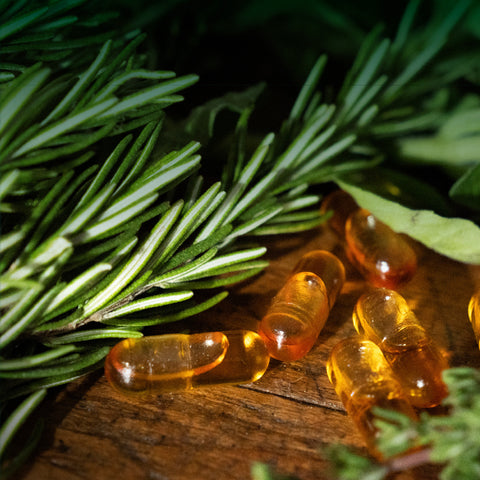




- Black seed oil absorption varies based on digestion, food intake, supplement formulation, and how consistently it is taken.
-
Its main active compound, thymoquinone, is fat-soluble and depends on normal fat digestion processes for proper absorption.
-
Certain habits may reduce effectiveness, including inconsistent use, low-quality or oxidized oil, and improper storage conditions.
-
Practical habits such as taking black seed oil with meals, maintaining a consistent routine, and choosing stable, well-formulated supplements may support better absorption and more reliable results.
Many people take black seed oil regularly, but fewer realize that its absorption depends on several underlying factors. Digestive processes, supplement formulation, food intake, timing and consistency, and overall product quality all influence how effectively its active compounds are utilized.
Even when taken daily, differences in these variables can lead to noticeable differences in outcomes. Understanding these factors helps explain why some individuals experience more consistent results, while others may not notice the same effects.

What factors influence how well black seed oil is absorbed?
Black seed oil is absorbed based on how effectively the body digests and processes fats. It contains fat-soluble compounds, including thymoquinone, which rely on normal lipid digestion pathways to be broken down and absorbed.
Several factors influence this process, including digestion, supplement formulation, food intake, timing, and daily consistency.
1. Fat digestion and bioavailability
Black seed oil absorption depends on how effectively the body digests fats and moves them into circulation. Because its active compounds, including thymoquinone, are fat-soluble, they rely on the same digestive processes used for dietary fats.
When you consume fats, the body releases bile acids from the gallbladder to break them into smaller droplets. Digestive enzymes then further break these fats down, allowing them to pass through intestinal cells and enter circulation.
This process directly affects bioavailability, or how much of a compound becomes usable by the body.
Since thymoquinone is lipophilic, its absorption depends on how well these fat digestion pathways function. When digestion is less efficient, the amount of thymoquinone that enters circulation may also decrease.
2. Supplement formulation and delivery format
The form of black seed oil affects how stable it stays and how easy it is to take consistently. While absorption ultimately depends on digestion, the way a supplement is formulated affects how well its active compounds, including thymoquinone, are preserved before they even reach that stage.
Common supplement formats include:
-
Liquid oil
-
Softgel capsules
-
Standardized extracts
Each format comes with practical differences. Liquid oils, for example, may be more exposed to air and light, which can affect oxidative stability over time. In contrast, softgel capsules can offer more protection against oxidation while also providing more precise and consistent dosing.
Formulation does not change how digestion works. However, it affects how reliably the supplement is taken and how well its active compounds are preserved before use.
3. Taking black seed oil with food
Taking black seed oil with food supports the body’s natural fat digestion processes. Meals stimulate bile release, which helps emulsify fats and improve the absorption of fat-soluble compounds like thymoquinone.
Examples of meals or foods that may support this process include:
-
Yogurt
-
Avocado
-
Nuts
-
Olive-oil-based dishes
Balanced meals that contain moderate amounts of fat are typically sufficient. Extremely high-fat meals are not required for absorption to occur.
4. Timing and consistency of supplementation
There is no universally established “best time” to take black seed oil, but consistency plays a more important role in maintaining stable intake patterns. Taking it at the same time each day helps establish a routine and reduces the likelihood of missed doses.
Common approaches include taking black seed oil:
-
With breakfast
-
With dinner
-
Splitting doses across the day
Following a consistent routine alongside a recommended black seed oil dosage can help maintain steady intake over time.
5. Hydration and digestive comfort
Drinking water after taking black seed oil does not directly increase absorption, but it may support comfort during supplementation. Many people drink water to help swallow capsules more easily, reduce the lingering oil aftertaste, or ease mild throat irritation.
While hydration does not affect how thymoquinone is absorbed, it can make the overall supplementation experience more manageable, which may support more consistent use.
What common mistakes reduce black seed oil absorption?
Black seed oil absorption can decrease when certain habits affect stability or make intake inconsistent. Even if the supplement is high quality, these factors below can reduce how much thymoquinone is available over time:
Taking black seed oil inconsistently
Taking black seed oil inconsistently can disrupt steady intake and reduce overall effectiveness. When intake is irregular, the body does not receive a consistent amount of its active compounds.
Common inconsistent intake patterns include:
-
Skipped doses, which interrupt daily intake
-
Inconsistent routines, such as taking it at different times each day
-
Fluctuating compound intake, which makes exposure less predictable
Over time, these habits make it harder to build a consistent routine. This can lead to uneven intake of thymoquinone, which may explain why results feel inconsistent. This usually happens when black seed oil is taken the wrong way, without a clear routine.
Using low-quality or oxidized oil
Low-quality or oxidized black seed oil may contain reduced levels of active compounds. This is important because thymoquinone can degrade when the oil is not properly handled.
Black seed oil is sensitive to:
-
Heat
-
Light
-
Oxygen
Exposure to these elements can lead to oxidation, which may reduce thymoquinone levels and affect potency. If you’re unsure about your product, it helps to know what to look for in a high-quality black seed oil, especially when evaluating freshness and storage conditions.
Improper storage
Improper storage can speed up oxidation and reduce the quality of black seed oil. Even a well-made product can degrade if it is not stored correctly.
To help preserve its quality, follow these basic storage practices:
-
Keep it in a cool place to slow down oxidation
-
Use dark bottles or store it away from light to protect sensitive compounds
-
Keep the container tightly sealed to limit exposure to air
Following these practices helps preserve the stability of compounds like thymoquinone over time.
Taking excessive doses
Taking very high amounts of black seed oil may lead to digestive discomfort. This can include nausea or mild stomach irritation in some individuals.
When discomfort occurs, it may discourage consistent use. Over time, this can affect how regularly the supplement is taken, which may influence overall intake patterns.

What are the best ways to take black seed oil for better absorption?
The best ways to take black seed oil are based on how fat-soluble supplements are absorbed in the body. Since thymoquinone depends on fat digestion, habits that support this process can help improve how it is taken and used over time.
Here are practical ways to take black seed oil for better absorption:
Take black seed oil with meals
Taking black seed oil with meals supports the body’s natural fat digestion process. When you eat, bile acids are released to help break down fats, which makes it easier to absorb fat-soluble compounds like thymoquinone.
Foods that pair well with black seed oil include:
-
Yogurt
-
Avocado
-
Nuts
-
Olive-oil-based dishes
A balanced meal with moderate fat is enough to support absorption.
Maintain consistent daily intake
Black seed oil tends to be more effective when taken consistently each day. Regular intake helps maintain steady exposure to its active compounds, including thymoquinone.
To build a consistent routine, you can:
-
Pair it with meals you already eat daily
-
Set reminders on your phone
-
Take it at the same time each day
These small habits make it easier to stay consistent and avoid missed doses over time.
Choose stable, well-formulated supplements
Choosing a well-formulated supplement helps ensure that black seed oil remains stable and consistent before use. This is important because thymoquinone can degrade if the product is not properly processed or protected.
When evaluating a supplement, look for:
-
Standardized thymoquinone levels for consistent potency
-
Cold-pressed extraction to help preserve sensitive compounds
-
Third-party testing to verify quality and purity
These factors help maintain compound stability and make dosing more reliable.
Store black seed oil properly
Proper storage helps protect black seed oil from conditions that can reduce its quality. This supports the stability of compounds like thymoquinone over time.
To store black seed oil correctly:
-
Protect it from heat and direct light
-
Keep the container tightly sealed
-
Refrigerate if recommended by the manufacturer
Following these steps helps preserve freshness and maintain product stability.
Why capsule formulation may support consistent black seed oil intake
Capsule formulations may support more consistent black seed oil intake by improving dosing accuracy and ease of use. While absorption still depends on fat digestion, the format of the supplement can affect how regularly and comfortably it is taken.
Some people avoid liquid black seed oil because it can be difficult to use consistently. This is often due to its strong taste, throat irritation, and the challenge of measuring consistent doses.
Capsule delivery can help address these issues by making intake more straightforward. It can support:
-
More precise dosing
-
Greater convenience
-
Improved tolerability
Bioligent offers black seed oil capsules formulated with ThymoQuin®, a standardized extract designed to provide consistent thymoquinone levels. This type of formulation also avoids the strong taste often associated with liquid oils, which may help some individuals maintain a more regular routine.
Understanding how formulation, digestion, and daily habits interact can help you get more consistent results from black seed oil. To learn more, you can review additional resources on black seed oil quality, potency, and supplement formulation to better understand what to look for.