

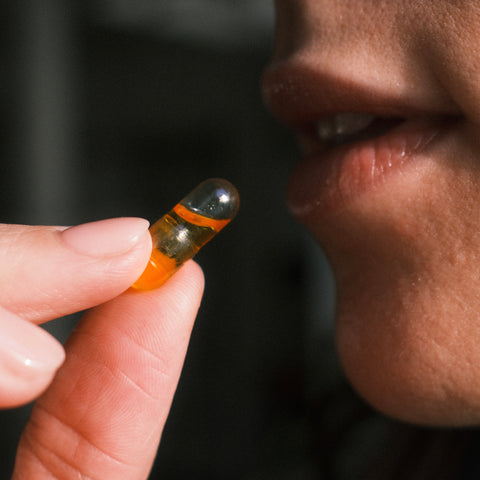


- Probiotics may influence the gut-brain axis, the two-way communication network connecting the digestive system and brain.
-
Their effects may involve gut microbes, immune signaling, the nervous system, and microbial byproducts, but the exact pathway depends on the strain and formulation.
-
Research suggests that some specific probiotic strains or combinations may affect measures of stress, mood, or cognition, while other probiotics may not produce the same results.
Probiotics may influence the gut-brain axis, but their effects are not the same across every strain, formulation, or outcome. Researchers have studied certain probiotics for their potential effects on stress, mood, and cognitive function, with results that vary depending on what was tested.
Understanding those differences matters because “probiotics” describes a broad category of microorganisms, not one standardized intervention. This article looks at how the gut and brain communicate, where probiotics may fit into that relationship, and what human research has found so far.

What Is the Gut-Brain Axis?
The gut-brain axis is the two-way communication system between the gastrointestinal tract and the brain. The two are constantly exchanging information through the nervous system, immune system, and chemical signals produced or influenced by the gut.
The vagus nerve is one of the main neural pathways involved. The immune system also carries information between the gut and the rest of the body, while substances produced by gut microbes can enter the wider circulation and affect other tissues.
And the communication goes both ways. The brain can change gut function, including digestion and intestinal movement. Signals from the gut can also reach the brain and influence processes involved in stress, mood, and cognition.
How Could Probiotics Influence the Gut-Brain Axis?
Probiotics do not need to reach the brain to potentially affect it. Their effects can start in the gut, where they interact with the intestinal environment and the microbes already living there.
The Gut Barrier and Immune System
The intestinal lining controls what passes between the gut and the rest of the body and works closely with the immune system. Changes in the gut can therefore affect immune signals that reach other parts of the body, including the brain.
A 2024 randomized, double-blind, placebo-controlled pilot trial published in Nutrients examined heat-treated Bifidobacterium longum CECT 7347 (HT-ES1) in 60 healthy adults. After eight weeks, participants receiving HT-ES1 had increased levels of Faecalibacterium and Anaerobutyricum, two types of bacteria associated with butyrate production. Fecal calprotectin also remained stable in the HT-ES1 group, while it increased over time in the placebo group.
CECT 7347 is one of the strains included in Bioligent’s Tribiotic+ formula. The study provides human research on this specific strain used in the product and illustrates how researchers examine changes in the gut environment that could be relevant to gut-brain signaling.
Nervous-System Signaling
The gut has its own nervous system and communicates with the brain through several neural pathways, including the vagus nerve. This allows the brain to receive information about what is happening in the digestive tract, while signals from the brain can also influence intestinal activity.
Probiotics may affect this communication indirectly by changing conditions in the gut and the signals produced there. Some strains have been studied for their effects on pathways involved in nervous-system signaling, but changes in these pathways do not necessarily mean a person will experience less stress, a better mood, or improved cognition.
Microbial Metabolites
The bacteria in the gut produce different substances as they use nutrients and interact with their surroundings. Some of these substances, including short-chain fatty acids (SCFAs) such as butyrate, can affect the immune system and other parts of the body.
Probiotics may influence these processes by interacting with the microbes and conditions in the gut. In the 2024 Nutrients study, the increase in Faecalibacterium and Anaerobutyricum following HT-ES1 supplementation was associated with higher butyrate concentrations.
Gut bacteria can also interact with substances involved in the production and regulation of neurotransmitters. But this does not mean that taking a probiotic simply increases serotonin in the brain. The gut and brain communicate through several connected pathways, and researchers are still determining which gut changes can lead to measurable effects on stress, mood, or cognition.
What Does the Research Say About Probiotics and Stress, Mood, and Cognition?
Research into the gut-brain axis has found that certain probiotic strains can affect stress, mood, and cognitive function. The findings are especially interesting for Tribiotic+ because its NeuroBiome Blend contains Lactobacillus helveticus R0052 and Bifidobacterium longum R0175, two strains that have been studied in connection with gut-brain signaling.
Stress
A 2023 study published in Nutrients specifically examined L. helveticus R0052 and B. longum R0175 using the SHIME model, which recreates conditions in the human gastrointestinal tract. After 7 and 14 days of treatment, the two strains changed the gut microbial community, reduced ammonia production, and increased total short-chain fatty acid production, including acetic acid.
The researchers also observed increased anti-inflammatory cytokine activity and reduced TNF-α. These findings help explain how R0052 and R0175 may interact with gut processes involved in the gut-brain axis.
Human research has also examined probiotics and psychological stress directly. In a 2025 randomized, double-blind, placebo-controlled study of 88 healthy adults, a multispecies probiotic was associated with a reduction in negative mood, with differences appearing after about two weeks of daily monitoring. The study is useful evidence for the broader connection between probiotics and emotional state.
Mood
Research has also found changes in mood-related measures following probiotic supplementation.
The 2025 npj Mental Health Research study followed 88 healthy adults using daily mood reports alongside questionnaires and emotional-processing tests. Participants taking the probiotic reported less negative mood over time, with the effect becoming apparent after two weeks.
Another randomized, double-blind, placebo-controlled study published in Frontiers in Psychiatry followed healthy adults for six weeks. The probiotic mixture contained Lactobacillus fermentum LF16, L. rhamnosus LR06, L. plantarum LP01, and Bifidobacterium longum BL04. The probiotic group showed reductions in depressive mood, anger, and fatigue and an improvement in sleep quality, although the researchers did not find significant differences between the probiotic and placebo groups on those measures.
This research adds to the human evidence that changes in the gut microbiome can be studied alongside changes in mood and emotional well-being.
Cognition
Cognitive research has looked at whether probiotics can influence memory, attention, and overall cognitive performance.
A 2025 systematic review and meta-analysis in BMC Complementary Medicine and Therapies examined 34 randomized clinical trials involving 2,390 adults. The analysis found improvements in several measures of cognitive function after probiotic supplementation, particularly after 12 weeks. The authors rated the certainty of the evidence as low or very low for several outcomes, so the findings are best viewed as an emerging area of research rather than a settled conclusion.
For Tribiotic+, the R0052 and R0175 research is particularly relevant to the gut-brain mechanism, while broader cognitive studies help show where probiotic research is heading.
What the Research Shows
|
Outcome studied |
What the research suggests |
|
Stress |
R0052 and R0175 have been shown to affect gut microbial activity and metabolites linked to gut-brain signaling. Human probiotic research has also found changes in stress-related and negative-mood measures. |
|
Mood |
Human studies have reported improvements in negative mood and several mood-related measures following probiotic supplementation. |
|
Cognition |
A 2025 meta-analysis found improvements in several cognitive measures across probiotic trials, while research specifically connecting Tribiotic+'s strains to cognition is still developing. |
Why the Probiotic Strain Matters
“Probiotic” describes a broad category of live microorganisms used in foods and supplements. It does not refer to one specific organism with one predictable effect.
Different strains can behave differently in the gut and have different research behind them. For example, a study involving Lactobacillus helveticus R0052 tells us about R0052. It’s not every Lactobacillus strain and not every probiotic supplement.
That is why the strain listed on a supplement label matters. It allows you to see whether the specific microorganism has actually been studied and what researchers have found.
What Strains Are in Tribiotic+?
Tribiotic+ by Bioligent contains four strains in its NeuroBiome Blend:
-
Lacticaseibacillus rhamnosus R0011
-
Lactobacillus helveticus R0052
-
Bifidobacterium longum R0175
-
Lactobacillus reuteri PBS072
The combination was selected for Tribiotic+ because of its focus on the gut-brain axis, rather than simply providing a generic blend of probiotic bacteria.
The research on R0052 and R0175 is particularly relevant. Human studies have examined this combination in relation to psychological measures and brain responses, while laboratory gastrointestinal research has examined how these strains affect gut microbial activity, short-chain fatty acids, GABA, and inflammatory signaling.
Tribiotic+ also includes R0011 and PBS072, giving the NeuroBiome Blend four specific strains rather than relying on one microorganism. Each strain has its own characteristics and research history, so the evidence should always be considered at the strain and formulation level.
This is also why probiotic research needs to be read carefully. If a clinical trial finds an effect from a particular strain or combination, that finding belongs to that strain or combination. It should not automatically be applied to every probiotic product on the shelf.

So, Do Probiotics Affect the Gut-Brain Axis?
Yes. The gut and brain are connected through several biological pathways, and research shows that specific probiotic strains can influence processes related to stress, mood, and brain function.
But probiotics are not interchangeable. The effects seen with one strain or combination cannot automatically be applied to another. For anyone interested in gut-brain support, the useful question is not simply whether a product contains probiotics, but which strains it contains and what research has been done on them.
If you're looking for a probiotic that supports both gut and brain health, Tribiotic+ combines its NeuroBiome Blend with prebiotic Arabinogalactan and the postbiotic Bifidobacterium longum CECT-7347 for broader gut support.
Not sure whether Tribiotic+ fits what you're looking for? Take Bioligent’s Build Your Biology Plan quiz to find the right support for your needs.
Frequently Asked Questions
Can probiotics improve mood?
Some specific probiotic strains and combinations have been studied for mood-related outcomes, including measures of negative mood, anxiety, depression, and emotional processing. Results vary between formulations, so findings from one probiotic should not automatically be applied to all probiotic products.
How long does it take for probiotics to affect the gut-brain axis?
There is no single timeline. Studies have used different strains, doses, treatment periods, and measures of gut-brain function. Some research has reported changes in certain outcomes within a few weeks, while other studies have followed participants for several months. The timing depends on the specific probiotic and the outcome being measured.