



Menopause is a natural transition, but the emotional ups and downs that come with it can feel anything but natural. You might wake up feeling steady, only to find yourself irritated or angry by afternoon. These mood swings aren’t random; they’re linked to the hormonal shifts reshaping your body during this stage of life.
Every year, about 1.3 million women in the U.S. reach menopause, and mood changes consistently rank among the most disruptive symptoms. While frustrating, they’re also manageable once you understand what’s behind them and what steps can help restore balance.
So, why do these mood swings happen, and more importantly, what can you do about them? Keep reading below.

Why Do Mood Swings Happen During Menopause?
Mood swings during menopause aren’t just “in your head.” They’re usually tied to big hormonal shifts happening inside your body. As estrogen and progesterone levels rise and fall, they affect neurotransmitters like serotonin and dopamine, which are the brain chemicals that help regulate your emotions.
That’s why you might feel calm one day, then irritable, anxious, or even tearful the next. Add in other menopause symptoms like hot flashes, night sweats, and sleep disruptions, and it’s no wonder your mood feels harder to control.
What’s really happening is that your body is working overtime to adjust to a new hormonal balance, which naturally affects your emotions.
Common Signs of Menopausal Mood Swings
Mood swings in menopause can show up in different ways, and they don’t look the same for every woman. Some notice subtle changes in their mood, while others feel like their emotions flip without warning. Whether you’re in perimenopause or already in menopause, these emotional shifts are incredibly common.
You might experience:
-
Irritability or sudden anger: things that never used to bother you suddenly feel impossible to ignore.
-
Anxiety and nervousness: feeling restless, uneasy, or on edge without a clear trigger.
-
Low mood or sadness: moments of tearfulness or feeling down, even when nothing specific is wrong.
-
Crying spells: emotional outbursts that seem bigger than the situation at hand.
-
Restlessness: difficulty relaxing or feeling “settled,” even during quiet moments.
-
Brain fog and trouble focusing: forgetfulness or losing track of tasks, which often pairs with emotional changes.
-
Loss of motivation: struggling to find energy or interest in activities you usually enjoy.
-
Increased sensitivity to stress: everyday challenges suddenly feel heavier than usual.
These emotional changes are a normal part of the transition, but that doesn’t mean you have to live with constant ups and downs. With the right support, it’s possible to regain balance and feel more like yourself again.

How to Manage Menopausal and Perimenopausal Mood Swings
Menopause mood swings can feel unpredictable, but the right habits and strategies can make a real difference. The key is finding approaches that support both your body and your mind, since hormones and emotions are so closely linked during this stage.
1. Prioritize steady blood sugar
Fluctuating blood sugar can make mood swings worse, especially when paired with hormonal changes. Instead of skipping meals or relying on quick carbs, aim for balanced meals that combine protein, fiber, and healthy fats. Something as simple as pairing fruit with nuts or adding avocado to toast can help keep your energy and emotions steadier throughout the day.
2. Build movement into your routine
Exercise directly affects mood-regulating brain chemicals like serotonin. You don’t have to commit to a strict gym schedule. Gentle options like brisk walking, swimming, or yoga for 20 to 30 minutes most days can ease stress, improve sleep, and lift your mood. The trick is consistency, not intensity.

3. Protect your sleep
Poor sleep and mood swings go hand-in-hand. If hot flashes or night sweats interrupt your rest, try cooling your bedroom, using breathable sheets, or even layering blankets so you can adjust through the night. A consistent wind-down routine (dim lighting, no screens, maybe a warm shower) helps signal to your body that it’s time to rest.
4. Find ways to manage stress in real time
Mindfulness doesn’t have to mean long meditation sessions. Simple, practical habits like taking three slow breaths before responding to something stressful or writing down what’s on your mind can calm your nervous system and prevent emotional spirals.
5. Lean on your support system
Menopause can feel isolating, especially if your friends or family don’t fully understand what you’re going through. Sharing your experiences with other women in the same stage of life, whether through a support group or even a trusted friend, can make the emotional ups and downs easier to navigate.
6. Consider natural support
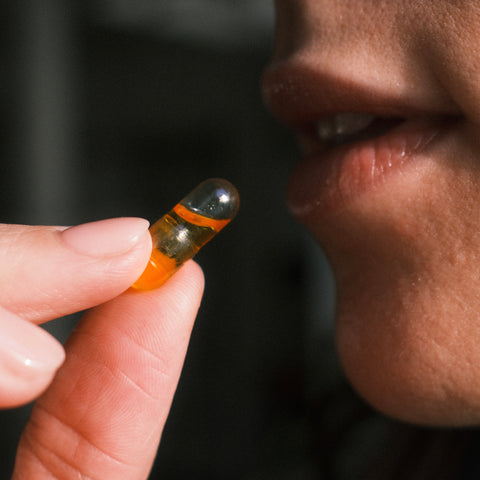
For some women, lifestyle changes help but aren’t always enough. In these cases, natural supplements designed for perimenopause and menopause may offer extra support for easing mood swings, brain fog, and sleep disruptions. A supplement like Next Phase can provide that added layer of support, helping you go through this transition with more balance and ease.

Why Next Phase Works For Menopausal Mood Swings
Managing mood swings in menopause often requires more than one approach. Thus, we formulated Next Phase to provide gentle, well-rounded support during this transition.
Instead of focusing on a single symptom, we designed it to help with several areas that commonly affect mood, like brain fog, energy, and sleep.*
With magnesium, ginseng, maca, and saffron, Next Phase helps support mental clarity, promote relaxation, and encourage a more balanced mood.* These nutrients and botanicals work together to ease some of the stress that comes with shifting hormones, giving you support where you need it most.
A Natural Approach to Menopausal Mood Swings
It’s tempting to think mood swings are just something you have to put up with during menopause and perimenopause. But they don’t have to control your days or your peace of mind. By understanding the hormonal shifts behind them, you can take steps to feel more balanced and supported.
Looking for a natural way to ease the ups and downs of menopause?
Support your transition with Next Phase, formulated to help with mood, brain fog, sleep, and more.
Frequently Asked Questions:
How to improve mood during menopause?
Regular movement, restful sleep, and stress-relieving practices like meditation or yoga can all help improve mood during menopause. Some women also find that natural support for menopause mood swings, such as Next Phase, makes a difference when lifestyle changes aren’t enough.
Does menopause make you tired and depressed?
It can. Hormonal shifts during menopause may disrupt sleep, drain energy, and affect mood. While these emotional changes during menopause are common, they don’t have to take over your life. Gentle remedies like adjusting your sleep routine or seeking support can help.
How to stay calm during menopause?
Staying calm often means building small moments of relief into your day. Deep breathing, light exercise, or even a quick walk outside can lower stress. For some women, coping with menopause mood changes also includes creating a consistent sleep routine and nourishing the body with balanced meals.
Can menopause cause rage?
Yes, sudden irritability or bursts of anger can happen. Hormonal changes and mood swings may influence brain chemistry, making emotions harder to control at times.
Can menopause make you feel like you’re falling out of love?
Sometimes, yes. Mood swings, fatigue, and lowered intimacy can affect how connected you feel in a relationship. These changes are usually linked to the transition itself, not your true feelings. Open communication with your partner can help strengthen your bond, and exploring gentle menopause mood swing remedies may help you feel more emotionally balanced.
What hormone causes anger in females?
Fluctuations in estrogen, along with progesterone, play a major role in mood regulation. When these levels shift, they can influence neurotransmitters that affect emotions, leading to irritability or anger.
How long does menopause anxiety last?
It depends. For some women, anxiety fades after perimenopause, while others notice it linger longer. Since it’s tied to hormonal changes, practicing stress management and leaning on support systems can help reduce its intensity.